A roof does not need to be visibly leaking before it deserves attention. Autumn leaves, persistent rain, stronger winds and colder temperatures can expose small weaknesses that were difficult to notice during summer.
Preparing your roof for winter is mainly about checking the parts responsible for keeping water out and directing it safely away from the property. Tiles, flashing, gutters, ridge systems and roofline components all work together. A problem with one part can place additional pressure on another.
This practical checklist explains what homeowners can inspect safely from ground level, when professional advice may be appropriate and why early maintenance is usually easier to manage than an emergency during severe weather.
Start with a visual inspection from ground level
Walk around the property during daylight and look at the roof from several safe positions. Binoculars or a camera with zoom can help you inspect higher sections without using a ladder.
Look for:
- Missing, cracked or visibly displaced tiles
- Uneven rows of tiles or slates
- Loose material around ridges and verges
- Damaged flashing around chimneys and roof junctions
- Sagging gutters
- Disconnected or leaking downpipes
- Deteriorated fascia and soffit boards
- Moss restricting valleys or drainage channels
Do not climb onto the roof yourself. Roofing surfaces may be slippery, fragile or difficult to access, particularly after rain. If something appears damaged or uncertain, arrange a professional inspection.
Clear gutters and check the drainage route
Gutters collect rainwater from a large roof area and direct it toward downpipes. Leaves, moss, twigs and other debris can restrict that flow, causing water to spill over the edges or collect in low sections.
Overflowing water may affect walls, roofline timbers, render, brickwork and the ground around the property. Blockages are particularly common during autumn when falling leaves combine with material already washed down from the roof.
A useful gutter check should consider:
- Whether each gutter section has a suitable fall
- Whether joints are leaking
- Whether brackets are secure
- Whether downpipes are connected
- Where water leaves the downpipe
- Whether valleys and outlets are clear
Cleaning only the visible gutter is not enough if the downpipe or drainage route remains blocked.
Check tiles, slates, ridges and verges
Tiles and slates form the main weather-resistant covering of a pitched roof. Age, wind, impact and previous poor repairs can cause individual pieces to crack, slip or move out of position.
Ridge tiles protect the highest roof junction, while verge details protect exposed edges. Traditional mortar in these areas may crack or loosen over time. Modern dry ridge and dry verge systems use mechanical fixings and may provide a lower-maintenance alternative where appropriate.
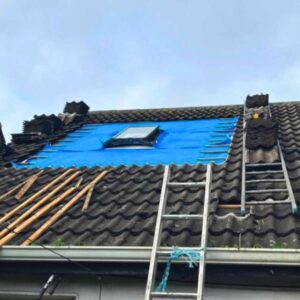
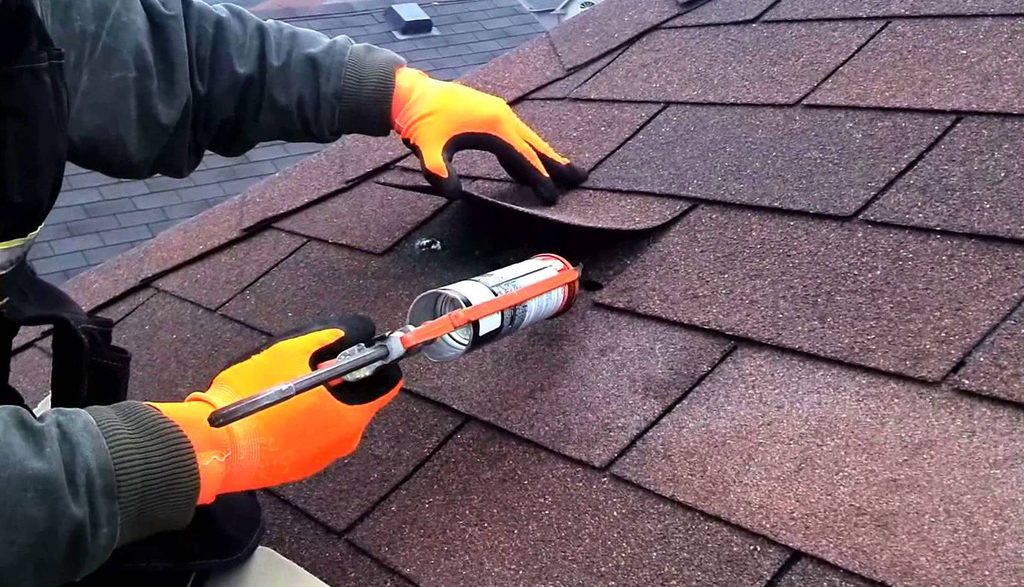
Finding one damaged tile does not automatically mean the roof needs replacing. A targeted repair may be sufficient when the surrounding materials and underlying structure remain in good condition. The purpose of an inspection is to understand the cause and extent of the problem before choosing a solution.
Inspect flashing and chimney areas
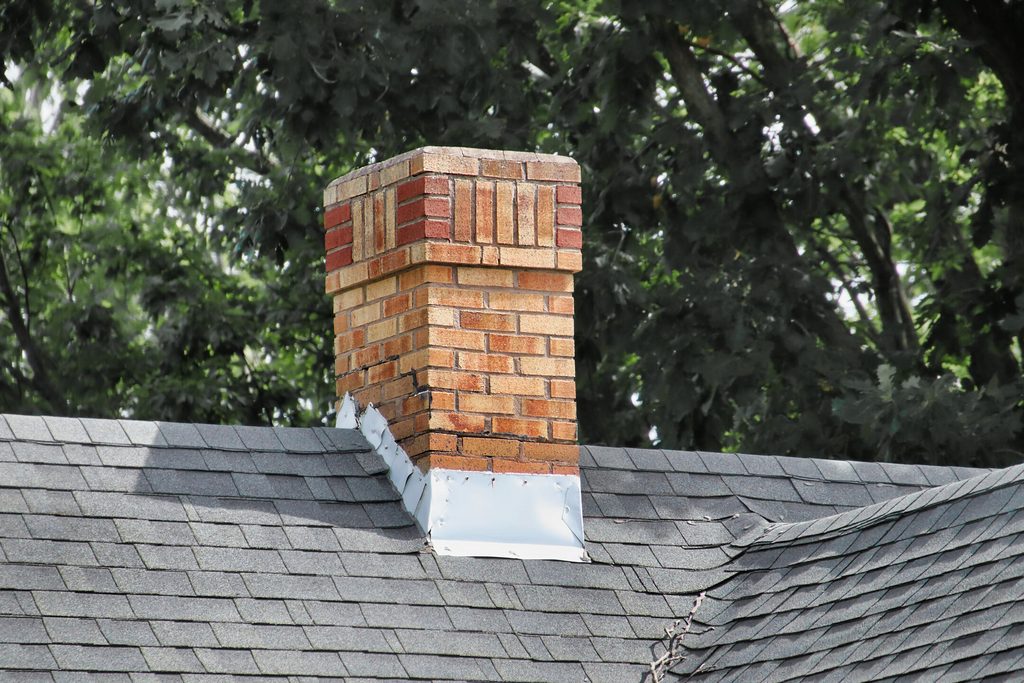
Flashing is installed around chimneys, walls, valleys, roof windows and other junctions where different materials meet. These areas are more complex than the main roof covering and can become vulnerable when flashing lifts, cracks or separates.
From ground level, look for visibly displaced metal, gaps around chimney bases or deteriorated mortar. Inside the property, dampness near a chimney breast may also indicate a problem, although water can travel before becoming visible.
A reliable repair should address the true entry point rather than applying sealant to the most obvious surface without investigating the surrounding detail.
Look inside the loft after heavy rain
The loft can reveal early warning signs that are not visible from outside. If it is safe and accessible, inspect it during daylight and again after prolonged rain.
Check for:
- Damp or darkened roof timbers
- Wet insulation
- Water marks on the underlay
- Daylight appearing through unexpected gaps
- Condensation on surfaces
- Musty smells
- Signs of mould
- Rust around fixings or metal components
Condensation and rainwater penetration are not the same problem. Condensation may relate to ventilation, insulation and moisture inside the home, while a leak usually involves water entering through the roof covering or a junction. A professional assessment can help distinguish between them.
Examine fascias, soffits and roofline components
Fascias support the guttering along the roof edge, while soffits cover and protect the underside of the roofline. Timber components may deteriorate through repeated exposure to moisture, especially where gutters overflow or joints leak.
Possible warning signs include peeling paint, soft timber, staining, gaps, loose sections or signs of birds and pests entering the roof space.
uPVC roofline systems can provide a clean and relatively low-maintenance finish, but installation quality still matters. Gutters must be aligned correctly, ventilation requirements should be considered and damaged material underneath should not simply be hidden.
Trim nearby branches and remove loose debris
Branches touching or overhanging the roof may scrape tiles, drop debris into gutters or cause damage during strong winds. Leaves can also collect in roof valleys and behind chimneys, slowing drainage.
Tree work should be completed by an appropriate professional, particularly where branches are large, high or close to buildings and power lines. The objective is to maintain sensible clearance without damaging the tree or creating unnecessary risk.
Review older repairs before winter
Temporary patches and repeated repairs deserve attention before poor weather arrives. A previous repair may still be performing well, but visible cracking, lifted edges or continued staining could indicate that the original problem was not fully resolved.
Ask the contractor to explain:
- What has failed
- Whether the damage is isolated or widespread
- Which materials will be replaced
- Whether the surrounding area is sound
- How water will be kept out
- Whether photographs can be provided
- Whether repair or replacement offers better long-term value
A clear written quotation makes it easier to understand and compare the proposed work.
Should you repair or replace the roof?
The right decision depends on the roof’s age, materials, overall condition and the extent of the damage.
A repair may be appropriate when the problem is limited to a small number of tiles, a section of flashing, a localised leak or another isolated defect.
Replacement may deserve consideration when problems occur repeatedly, the covering has deteriorated widely, the underlay and battens are failing or continued repairs are becoming poor value.
A professional roofer should explain both options where they are genuinely available rather than recommending replacement automatically.
Create a simple winter roof checklist
Before winter, confirm that:
- Gutters and downpipes are clear
- Rainwater drains away from the property
- Tiles and slates appear secure
- Ridge and verge details are intact
- Chimney flashing shows no obvious gaps
- Fascias and soffits are secure
- Roof valleys are free from debris
- The loft shows no active dampness
- Older repairs remain sound
- Roofing contact details are available in case of storm damage
Taking dated photographs can also make it easier to identify changes after severe weather.
Preparing with confidence
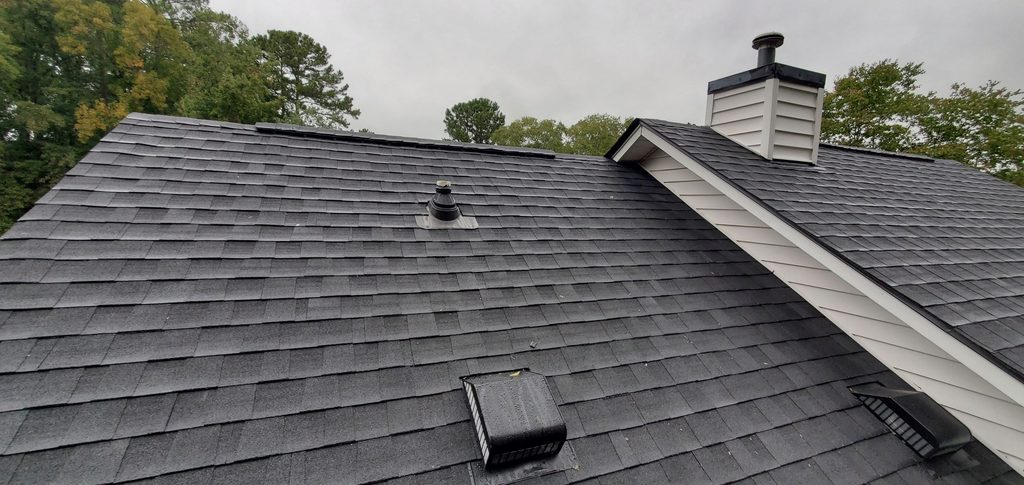
Winter preparation does not mean replacing a roof that still performs correctly. It means identifying avoidable risks, completing sensible maintenance and obtaining professional advice where a defect may allow water into the property.
For homeowners in Darlington, Middlesbrough, Stockton-on-Tees, Hartlepool, Newton Aycliffe and the wider North East, Roofs and Drives Ltd can inspect roof coverings, flashing, chimneys, gutters, fascias, soffits, ridges and verges.
If you are concerned about your roof before winter, contact Roofs and Drives Ltd for a free survey and no-obligation quotation.
Call 07733 156632 or email roofsanddrives23@gmail.com.